
CDL-A division · Class 8
Established, not an afterthought.
Dry van, flatbed, step-deck, and power-only under one authority — the same desk, the same weekly settlement format, and the same published program as everything else in the house. If you pull Class 8 equipment, this company wants your business — and holds it to the same bar as the whole house: insurer minimums, an MVR read by a person, equipment that passes inspection.
Pick your lane
Four lanes. One standard.
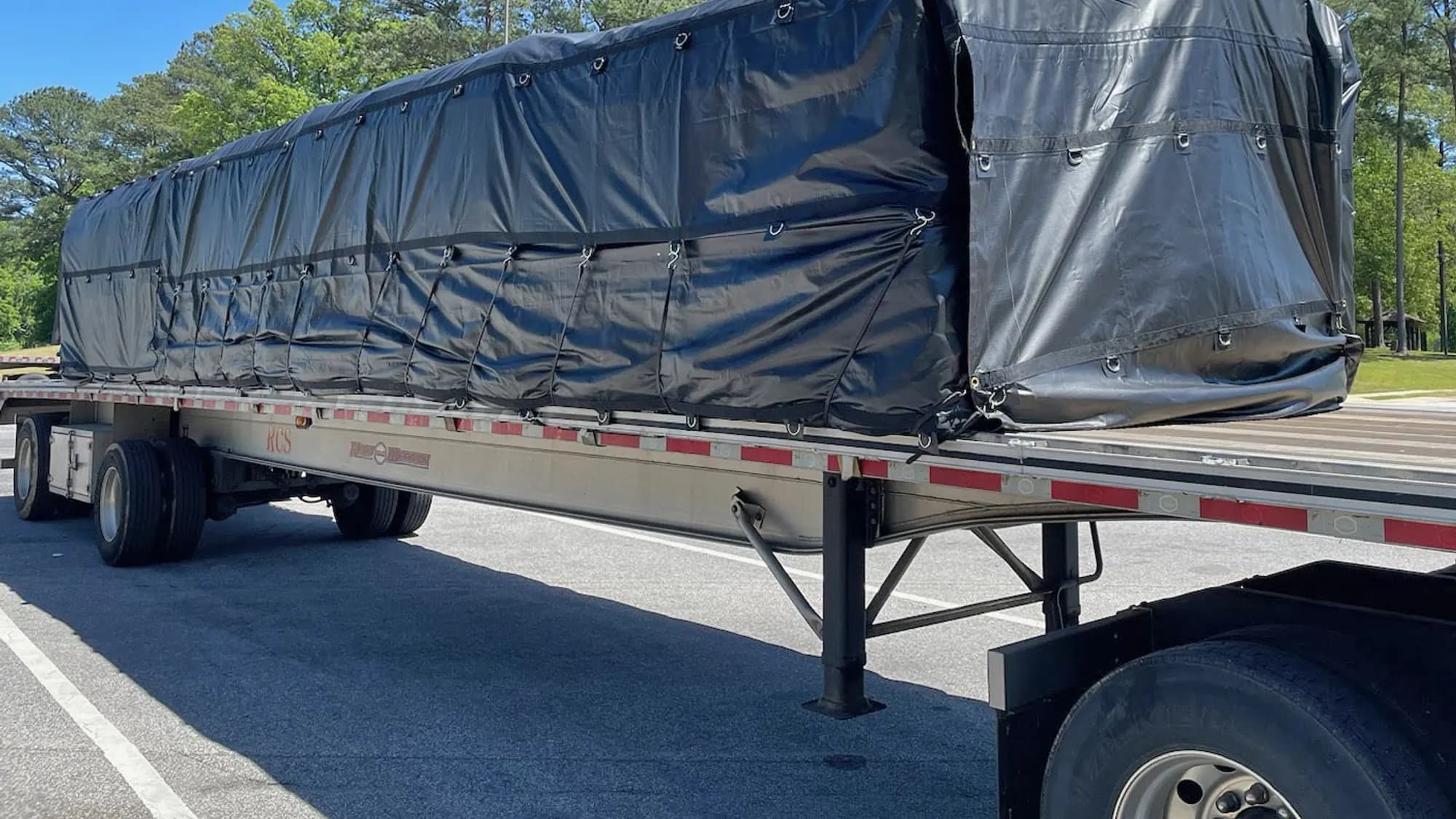
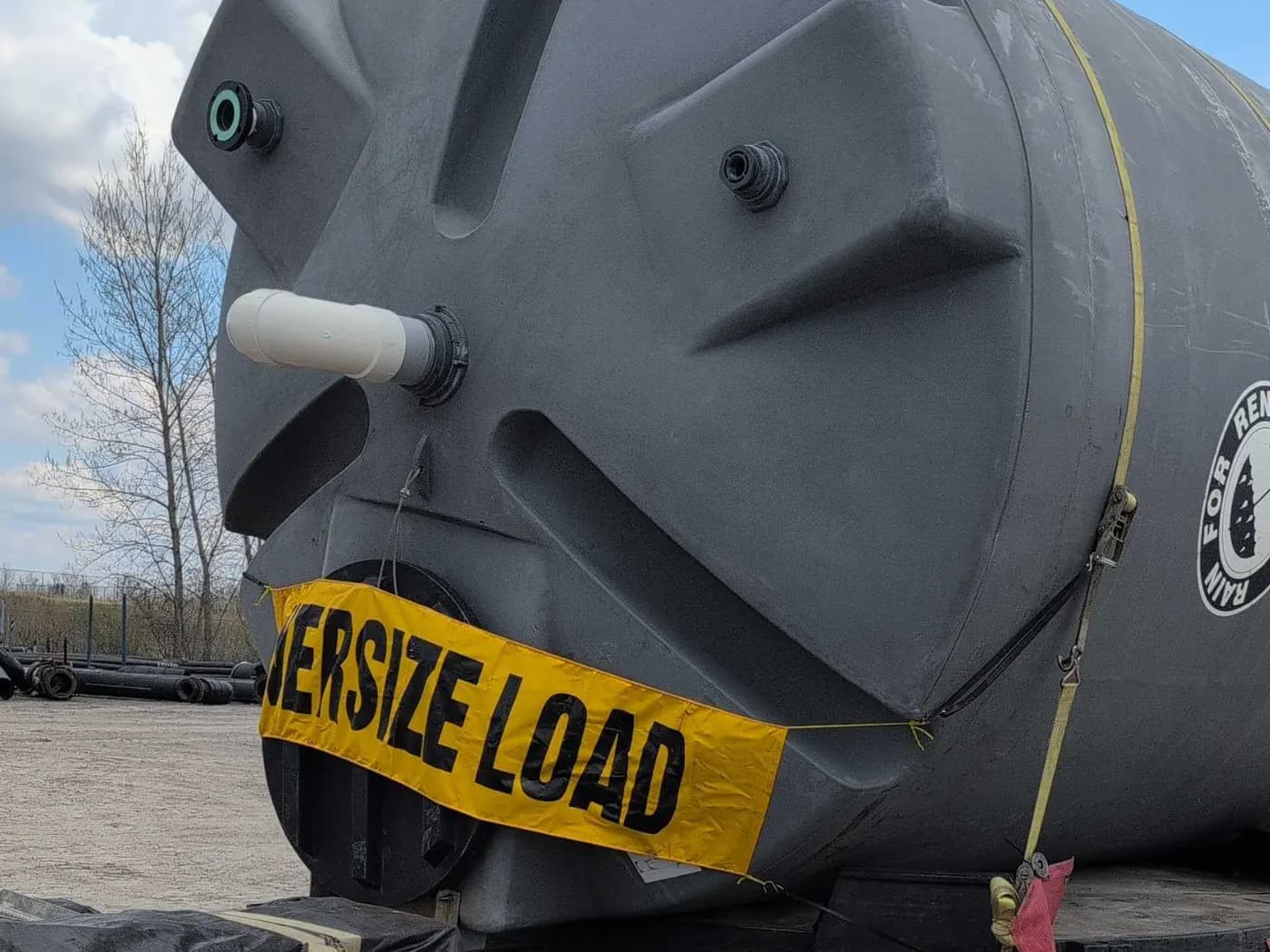
Own a tractor but no trailer? Power-only moves run under the same authority and settlement format — the customer keeps the trailers, you bring the tractor. See the equipment page →
The spec sheet
Four lanes, read across.
The lane pages make each case in full. This is the short version — what moves, what skill the market is actually pricing, and what the day feels like.
| Spec | Dry Van | Flatbed | Step-Deck | Power-Only |
|---|---|---|---|---|
| The freight | Retail, consumer goods, palletized industrial — the freight economy's baseline | Steel, lumber, machinery — loads from the side or the top | Tall equipment and machinery that won't clear a standard flat | Whatever's in the customer's trailer — they keep the boxes, you bring the tractor |
| The skill it prices | Consistency — dock rhythm, clean paperwork, being where you said you'd be | Securement — straps, chains, tarps, and doing it right in weather | Everything flatbed asks, plus height math, clearances, and permits | Coupling discipline and a hard pre-trip on a trailer you've never met |
| The working day | Dock to dock — drop-and-hook where it exists, live loads where it doesn't | Honest physical work; the weather is part of the job description | Planned to the foot — routes, bridges, paperwork | Hook, verify, document, go |
| Trailer required | Yours, or ask the desk | Yours, or ask the desk | Yours, or ask the desk | No — the customer supplies it |
| Honest entry note | The steadiest starting point in the book | A skill lane — insurer minimums want deck experience | Flatbed's varsity lane; proven deck work comes first | A road-ready Class 8 tractor, and the pre-trip discipline a stranger's trailer demands |
Swipe to see more
Rates aren’t on the sheet on purpose — your compensation is stated in your lease before you sign (49 CFR §376.12(d)), where a number means something.
From the driver’s seat
What the day actually feels like.
Spec sheets don’t drive the truck. Here’s each lane at working speed — with the Academy lesson that teaches the craft. No signup, like the rest of the curriculum.
Dry van
The day starts at a gate with your appointment time on it. If it's drop-and-hook, you're rolling again in half an hour; if it's a live load, the receiver decides what your afternoon looks like. Seal number on the bill, dock time in your notes, next stop already planned. Nobody grades your tarp job, because there isn't one — they grade whether you were where you said you'd be, which turns out to be its own kind of hard.
Flatbed
The load is steel, the corners are sharp, and the wind has opinions. Edge protection first, chains rated and counted, then the tarp — which behaves in the parking lot and doesn't on the shoulder. It's the kind of work you can see when it's done right, and so can the inspector. The rain is real, and so is the reason the freight pays for it: fewer drivers do this well.
Step-deck
You measured at the shipper, twice, and you'll still think about that one bridge the whole way there. Height math, permit paperwork, a route that exists because you planned it — this is flatbed with a second job stacked on top. The interesting question is never whether the load fits the trailer. It's whether the load plus the trailer fits under Illinois — and when it does, the scale house downstream still has its own three numbers waiting.
Lesson: the other half of legal — axle weights & the bridge formula →
Power-only
The trailer isn't yours; the inspection result is. So you pre-trip a stranger's box harder than you'd check your own — lights, tires, brakes, landing gear — and you photograph it before it moves, because you didn't load it and you didn't see it loaded. Then the tug test, and you're gone. The shortest job description in the division, with the least forgiving fine print.
Same house, same rules
Everything the hotshot side gets, the Class 8 side gets.
Heard at every truck stop
Four assumptions, retired.
Each one sounds reasonable until you check it. So check it — every answer below comes with the page that proves it.
“Leasing on means handing over the business.”
You keep the truck, the schedule, and the home time. What changes hands is the administrative weight — authority, insurance, brokers, invoicing. The lease is built to 49 CFR Part 376: compensation stated, every chargeback itemized, escrow terms on paper. Run the real math yourself before you believe anyone's version of it, including ours.
“The Class 8 side is the side project.”
Same authority, same 24/7 desk, same published settlement format as the whole house — and you don't have to take “equal standing” on faith, because the settlement format is published blank. Read it yourself and you can verify that.
“Power-only is what you run when you couldn't afford a trailer.”
It's a business model, not a consolation prize. No trailer payment, no trailer maintenance, no box in the driveway depreciating while you sleep — you rent out the expensive half of the operation and let the customer own the rest. The discipline it demands is real; so is the overhead it removes.
“Dry van is the lane for drivers who can't do anything else.”
Consistency is a business model. Fewer variables per load means your cost-per-mile math actually holds week over week — which is more than most exciting freight can say. Steadiness is the point, not the fallback. Run your numbers and see what a predictable lane does to them.
Straight answers
Asked before the application.
Pulled from the lane pages, where each division answers in full.
Bring one if you have one — owned equipment is welcome. If you don't, ask the desk about trailer options for the division during your application; what's available and on what terms goes in writing at onboarding, like everything else here.