
CDL-A division · 48–53′ · 10′+ deck height clearance
Step-deck — the loads fewer trucks can take.
Equipment, machinery, and tall loads that won't clear on a standard flatbed. Fewer trucks can take these loads, which is exactly why they pay better.
What moves on it
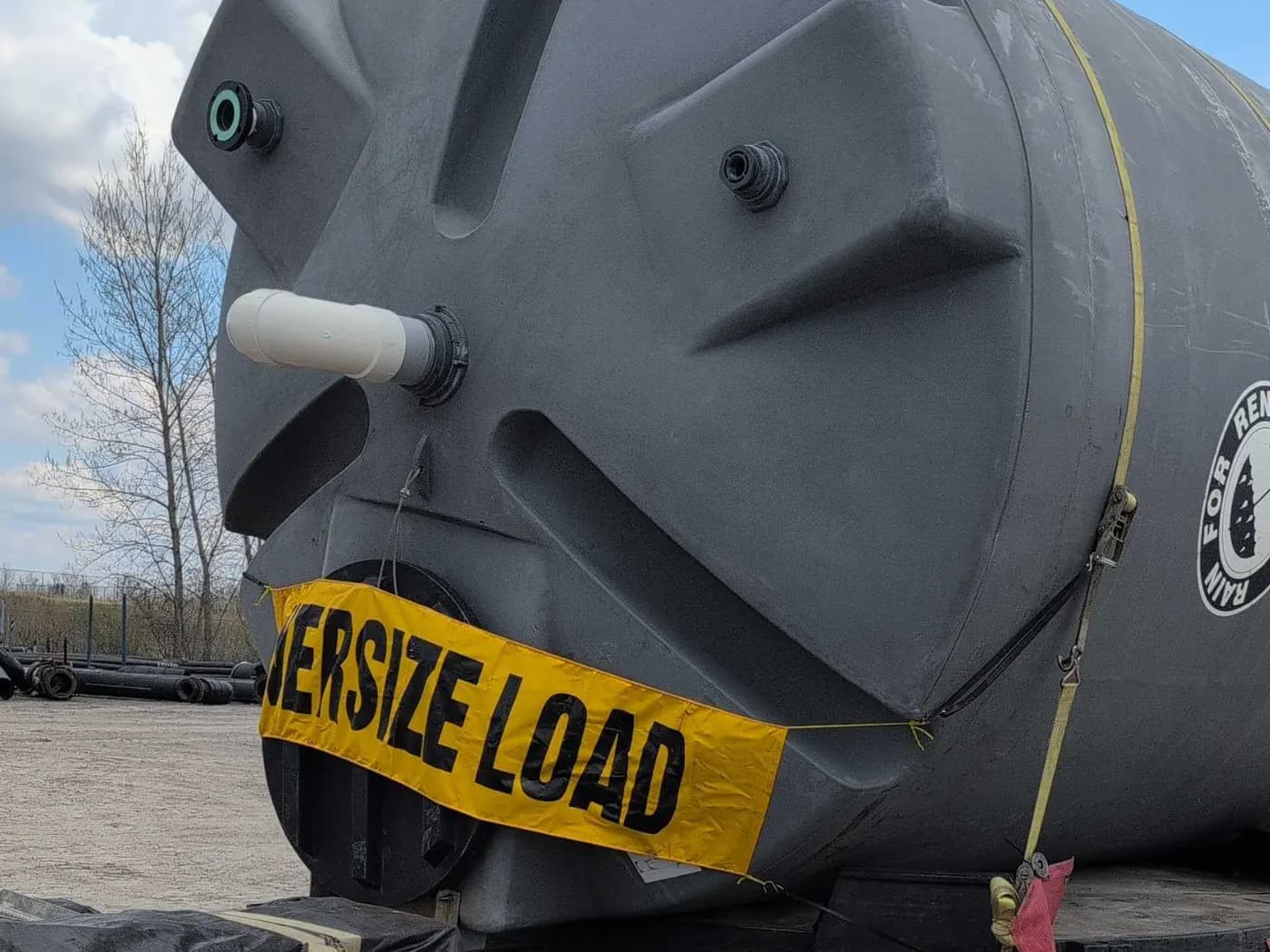
Equipment, machinery — including tank moves like the one pictured above — and the tall freight that measures past legal height on a standard flat. The drop deck buys the clearance; your securement makes it legal.
The working day
Everything flatbed asks for, plus height math and route awareness. Bridge clearances, permit rules, and routing become part of the job description — the operators who thrive on step-deck treat them as craft, not paperwork.
Why it fits a business
Scarcity is rate. Fewer trucks and fewer drivers can handle this freight, so the loads price above standard flatbed work — earned, not given.
The honest fit
Who this lane fits. Who it doesn’t.
Step-Deck fits if…
- Deck experience is proven — this is flatbed's varsity lane
- You're comfortable with height math, clearances, and permit paperwork
- You want the premium that scarce equipment and proven skill earn over a standard flat
Look elsewhere if…
- You're new to securement — start on the flatbed page and say so on the application
- You want simple dock freight — the dry van division exists for exactly that
Telling you a lane isn’t yours is cheaper than a bad six months — for both of us. The other lanes: Dry Van · Flatbed · the hotshot specialty
Straight answers
Step-Deck questions, answered.
Same division, same desk, same settlement format — the difference is the freight. Step-deck adds height-sensitive loads to the mix, and they price accordingly. If you want to run flatbed and step-deck as one open-deck lane, say so on the application.
The program mechanics — pay, settlements, requirements — are the same across the fleet: how pay works · the settlement, explained · driver requirements